Can Barre Help Improve Posture and Reduce Back Pain?
If you spend most of your day sitting at a desk, looking at a screen, or driving, you've probably felt it:
Tight shoulders
A stiff neck
An aching lower back
The feeling that your posture gets worse every year
You're not imagining it. Modern life places a tremendous amount of stress on the muscles that support good posture and healthy movement. The good news? Barre can help.
Why Poor Posture Happens
Posture isn't simply about remembering to sit up straight. It's largely a reflection of muscle strength and muscle imbalances.
Hours spent sitting can contribute to:
Weak core muscles
Tight hip flexors
Rounded shoulders
Limited mobility
Reduced body awareness
Over time, these patterns can lead to discomfort and tension throughout the body.
How Barre Supports Better Posture
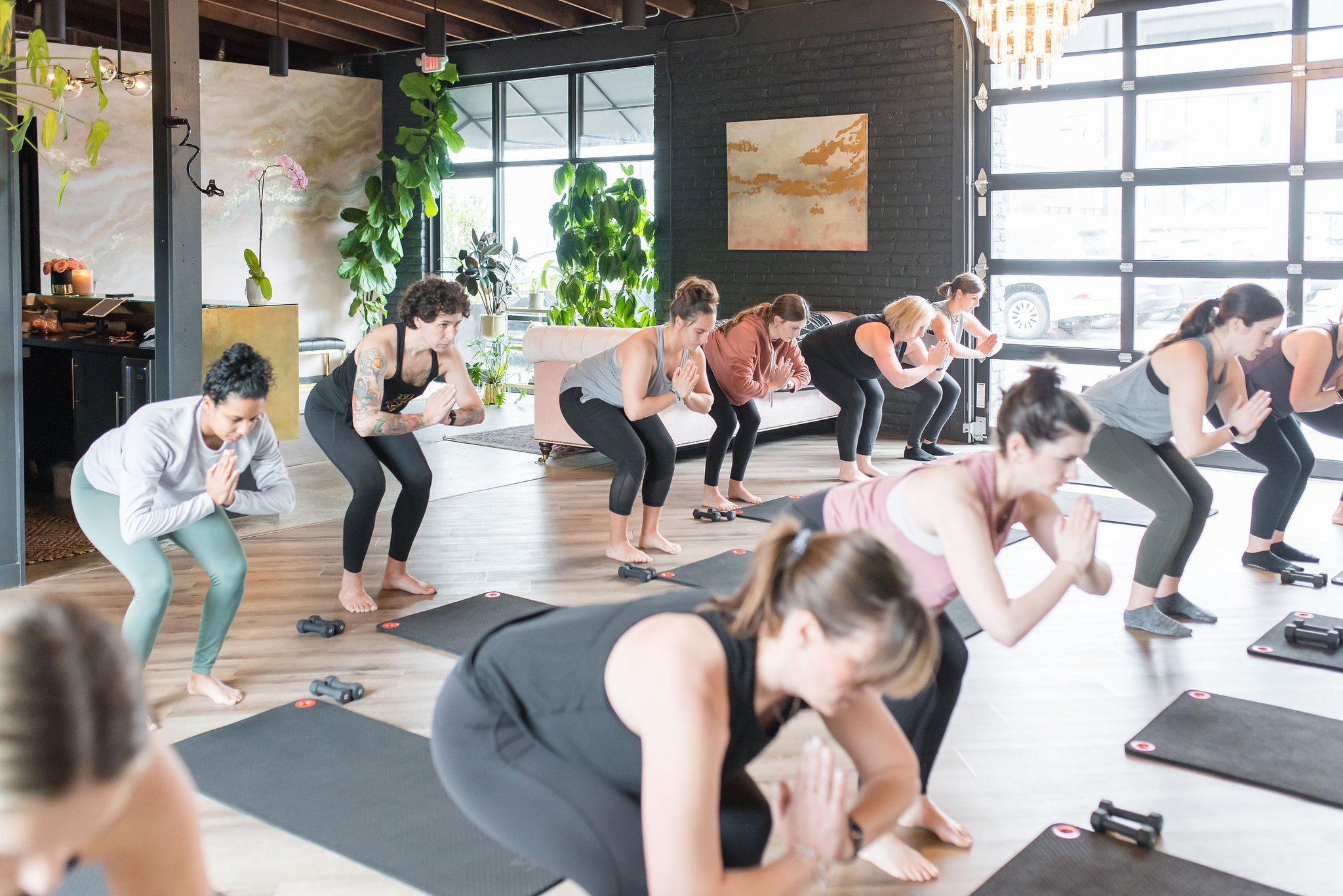
One reason barre is so effective is that it strengthens many of the muscles responsible for maintaining proper alignment. Throughout class, you'll work on:
Core Strength
Your core acts as the foundation for your posture. Barre exercises frequently target deep abdominal muscles that help stabilize the spine and support healthy movement patterns.
Upper Back Strength
Many people have strong chest muscles but weak upper-back muscles. Barre helps strengthen the muscles that pull the shoulders back and support better posture throughout the day.
Hip and Glute Strength
Weak glutes can contribute to poor posture and lower back discomfort. Barre incorporates targeted lower-body exercises that help build strength and stability in these important muscle groups.
Body Awareness
One of barre's most underrated benefits is increased body awareness. The focus on alignment and precise movement helps clients become more aware of how they stand, sit, and move throughout their daily lives.
Can Barre Cure Back Pain?
Not necessarily. Back pain can have many causes, and it's important to consult a healthcare provider if you're experiencing persistent or severe discomfort. However, many people find that strengthening their core, improving mobility, and developing better posture habits can help reduce common aches and pains associated with sedentary lifestyles.
Who Benefits Most?
Barre may be particularly helpful for:
Office workers
Remote employees
Teachers
Healthcare professionals
Parents carrying young children
Anyone spending significant time sitting each day
In other words: most of us.
The Long-Term Benefits
Better posture isn't just about appearance.
Improved alignment can help:
Reduce muscle tension
Improve breathing
Increase confidence
Support healthy movement
Enhance overall comfort throughout the day
These small improvements often create meaningful changes in how people feel both inside and outside the studio.
The Bottom Line
If you're looking for a workout that strengthens your body while supporting better posture, barre is an excellent option. By focusing on core strength, alignment, stability, and body awareness, barre helps address many of the underlying factors that contribute to poor posture and everyday discomfort. You may come for the workout—but you might stay because your back, shoulders, and neck feel better than they have in years.